Local Government
 Education
 Government
 Health and Community Services
 Asset and Project Intensive Industries
 Financials and Corporate

 App Builder
 Business Analytics
 Corporate Performance Management
 Curriculum Management
 DxP Essentials
 Enterprise Asset Management
 Enterprise Budgeting
 Enterprise Cash Receipting
 Enterprise Content Management
 Financials
 Human Resources
 Payroll
 Performance Planning
 Property & Rating
 Spatial
 Student Management
 Supply Chain Management
 Timetabling & Scheduling

 About SaaS+
 Our Solutions
 ERP in 30 Days
 Security
 Software Releases
 About Us
 Investor Relations
 Life@Tech1
 Foundation
 Careers
 Login
Login Customer community
 Enterprise App Store
How integrated asset management delivers across risk, cost and confidence
By Gladstone Brohier, Product General Manager at TechnologyOne
High-performing councils do not improve asset management through isolated initiatives; the five structural moves outlined in our previous article work together to reshape how decisions are made, justified and sustained over time.
When asset performance, operational activity and financial planning are connected, councils gain earlier visibility of emerging risk and a clearer view of long-term cost. Trade-offs become explicit, renewal timing aligns with actual behaviour, and leaders act with evidence rather than assumptions.
This is where integration delivers its real advantage.
Discover Enterprise Asset Management
Better decisions, earlier
When asset performance, maintenance activity and financial forecasts are viewed together, emerging issues become visible before they escalate into service failures or budget shocks. Patterns in defects, cost trends and intervention cycles can be interpreted in context, not in isolation.
Earlier visibility gives councils room to choose. Renewal can be timed deliberately, funding staged with intent, and risk reduced while options remain open rather than under pressure after failure narrows the path forward.

5 moves the most successful councils make
Learn the five moves successful councils make to strengthen asset governance, improve financial confidence, and deliver defensible infrastructure decisions.
Learn moreMore confident long-term investment planning
Long-term plans carry weight only when they reflect operational reality. When renewal forecasts, depreciation, maintenance trends and funding capacity sit within the same environment, councils can test scenarios with confidence rather than rely on static assumptions.
Integration allows leaders to model trade-offs over 10 to 30 years and understand how today’s decisions shape future affordability.
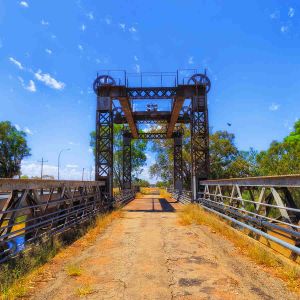
The hidden cost of asset neglect
How deferred renewal compounds cost and risk for councils. Discover why asset neglect is financial exposure in disguise.
Learn moreStronger executive and audit confidence
When decisions are grounded in connected evidence, conversations change. Leaders no longer rely on reconciled reports or competing spreadsheets to explain renewal priorities. Instead, they draw from a consistent view of condition, cost and consequence.
Executives move from defending assumptions to weighing options. Auditors see clear traceability between asset performance and funding decisions. Elected members gain confidence that trade-offs are based on measurable risk and affordability, not interpretation.

From disconnected systems to demonstrable trust
Why councils must move from fragmented systems to integrated insight to demonstrate control, defend decisions and strengthen public trust.
Learn moreReduced organisational friction
Asset management stops being a specialist function and becomes an enterprise capability. Planning, delivery and operations are aligned through shared data rather than periodic reconciliation.
Finance, asset teams and operations work from the same truth, reducing duplication, debate and delay. The organisation spends less time aligning perspectives and more time making deliberate decisions.

3 asset management truths leading councils understand
Three asset management truths NZ councils must understand about risk, compliance and integrated decision-making.
Learn moreWhy this advantage matters
Integration does not remove funding constraints or public scrutiny. It changes how councils respond to them. When risk, cost and performance are visible in one environment, leaders retain control over sequencing, trade-offs and timing rather than reacting to events as they unfold.
In a constrained environment, that control shapes whether renewal remains deliberate or becomes reactive. It influences how confidently councils can justify deferral, defend prioritisation and protect long-term sustainability.
The question is no longer whether integration is desirable. It is whether councils can continue making enterprise-wide asset decisions without it.
Discover Enterprise Asset Management
TechnologyOne’s Enterprise Asset Management connects Strategic Asset Management, Project Lifecycle Management and financial planning in a single, integrated environment. It enables councils to plan, fund, deliver, and maintain infrastructure with a clear line of sight into costs, risks, and service impacts.
By removing silos and aligning operational, project and financial insight, councils gain the confidence to make defensible, evidence-based decisions across the full asset lifecycle.
Book a demo to see how integrated Enterprise Asset Management can help your council plan with clarity and act with control.