Local Government
 Education
 Government
 Health and Community Services
 Asset and Project Intensive Industries
 Financials and Corporate

 App Builder
 Business Analytics
 Corporate Performance Management
 Curriculum Management
 DxP Essentials
 Enterprise Asset Management
 Enterprise Budgeting
 Enterprise Cash Receipting
 Enterprise Content Management
 Financials
 Human Resources
 Payroll
 Performance Planning
 Property & Rating
 Spatial
 Student Management
 Supply Chain Management
 Timetabling & Scheduling

 About SaaS+
 Our Solutions
 ERP in 30 Days
 Security
 Software Releases
 About Us
 Investor Relations
 Life@Tech1
 Foundation
 Careers
 Login
Login Customer community
 Enterprise App Store
Why councils struggle to manage asset risk
By Gladstone Brohier, Product General Manager at TechnologyOne
Council infrastructure decisions now carry long-term financial and governance consequences. Asset risk shapes budget credibility, audit outcomes and public trust.
Yet many councils struggle to confidently identify where risk is increasing across their asset base. Not because data is absent, but because insight is fragmented. When asset performance, financial impact and operational activity are not viewed together, emerging exposure can remain obscured until it becomes urgent.
Managing assets requires complete clarity across the full lifecycle.
Discover Enterprise Asset Management
Data is everywhere. Visibility is not.
Councils collect vast amounts of asset information. Registers track what exists. GIS tools map location. Finance systems record expenditure and depreciation. Work management platforms capture inspections and defects. Yet this information often sits across different work systems, each telling part of the story, none telling the whole.
The Queensland Audit Office has reported that of 77 councils audited, 54 had at least one internal control deficiency in asset management, while 49 recorded information-system weaknesses contributing to more than 200 unresolved significant deficiencies.
Without a connected view of assets across their lifecycle, councils are left managing exposure reactively rather than deliberately.

5 moves the most successful councils make
Learn the five moves successful councils make to strengthen asset governance, improve financial confidence, and deliver defensible infrastructure decisions.
Learn moreFragmentation hides risk in plain sight
When systems operate independently, asset condition can drift from reality. Maintenance is recorded but not always linked to long-term forecasts, and renewal plans lack full visibility of cost trends or emerging defects.
Deterioration can appear incremental. Issues are resolved locally and budget adjustments seem manageable, while broader exposure remains difficult to see.
The field knows first: inspections, defects and work requests surface problems early, often highlighting where assets are under strain. Yet in many councils, this intelligence remains confined to operational systems and does not consistently inform strategic planning or renewal priorities.
The result is a visibility gap. If asked which assets now present the greatest risk to service delivery, and why, many councils would struggle to answer with evidence drawn from a single, connected view.
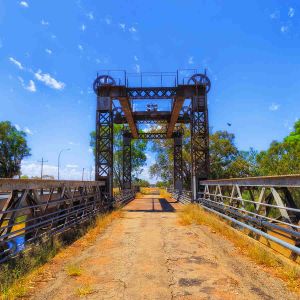
The hidden cost of asset neglect
How deferred renewal compounds cost and risk for councils. Discover why asset neglect is financial exposure in disguise.
Learn moreTrue visibility answers four questions
Visibility is measured by the quality of decisions leaders can make with confidence, not by the volume of reports produced.
True visibility brings asset performance, financial impact, and service consequence together in a way that allows councils to respond deliberately rather than reactively. It answers four practical questions:
- Where is risk increasing? Not just which assets are rated fair or poor, but where deterioration is accelerating and why.
- What happens if assets fail? The community consequences if an asset drops below acceptable standards.
- What will it cost to intervene or not? The financial implications of renewal now, compared with continued deferral, including operating and capital impacts.
- Who is impacted? The services and stakeholders exposed if performance declines.
When these questions can be answered from a single, connected view, asset risk becomes visible early enough to influence strategy, funding and governance decisions.
Do you have a complete view of your assets?
Financial pressure on councils is structural. Elected members are being asked to defend infrastructure decisions with greater transparency and evidence than ever before.
Your council cannot afford fragmented systems and the uncertainty they create in this environment. When Strategic Asset Management, Project Lifecycle Management, and Asset Operations and Maintenance operate in a single integrated environment, risks are surfaced earlier, funding decisions are grounded in evidence, and leaders can act with confidence.
If you can’t clearly see where risk is increasing today, it becomes harder to explain outcomes tomorrow. Book a demo today to see how TechnologyOne Enterprise Asset Management helps councils gain a complete, connected view across the full asset lifecycle.